Data Engine workflow · Sensor adaptation
A new sensor perspective.
From the data you have.
Generate sensor-specific examples from existing imagery to support vision-AI research when target-sensor data is limited.
EXPLORE SENSOR ADAPTATION
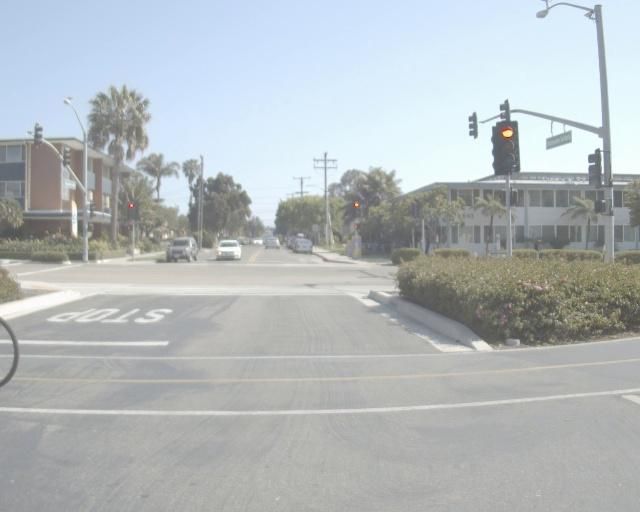
One scene. Three sensor perspectives.
Choose your target sensor

YRIKKA
Data Engine
Sensor adaptation
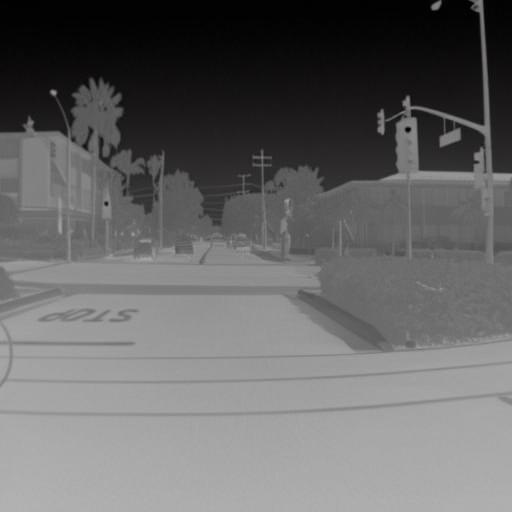
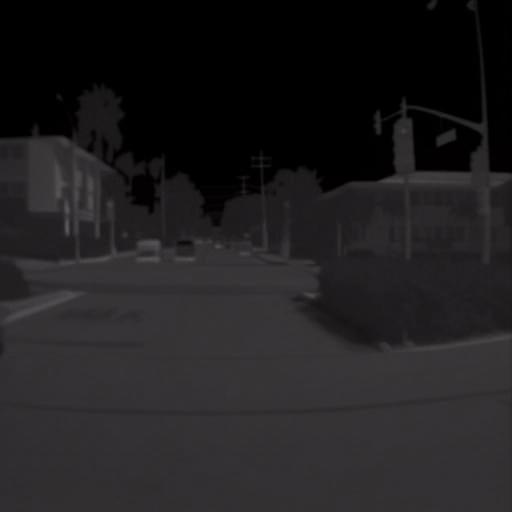
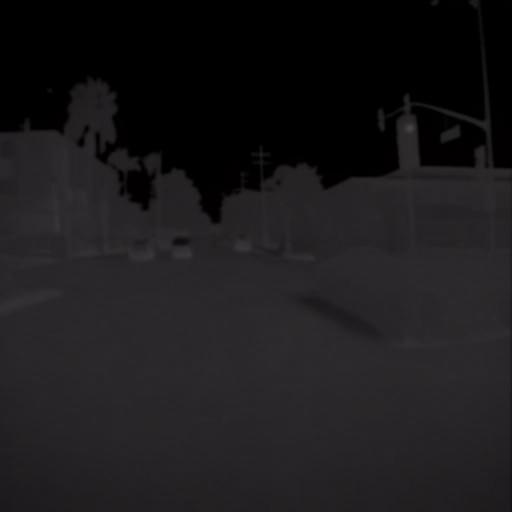
Showing the FLIR A656sc generated infrared example.
Change the sensor.
Keep the task in view.
A model trained on one sensor can encounter a different visual world on another. Sensor adaptation explores how existing scenes can be translated into a target sensor style, helping teams expand the data available for a new sensing modality.
This workflow sits within the data layer of ORION: prepare the data, investigate model performance, and decide what evidence the next adaptation step needs.
- 01Define the target sensor
Choose the modality and collect representative target-sensor examples.
- 02Adapt the generator
Use aligned examples to learn the target sensor’s visual characteristics.
- 03Generate and inspect
Create additional examples, review their quality, and check that task-relevant structure is preserved.
- 04Test downstream utility
Evaluate the impact on the actual perception task using held-out real data.
Research evidence
Sensor adaptation.
Measured on the task.
Our cross-spectral study used 100 aligned training pairs and 50 validation pairs per modality. It examined RGB-to-infrared and RGB-to-SAR generation, with downstream object-detection experiments.
Read the research paperMeasured downstream improvement
In the study’s SAR detection experiment, adding synthetic data to real training data increased mAP@0.5 from 0.19 to 0.25.
Explore the experimental setup and full results in the published paper.
Let’s put ORION to work
Bring us your mission.
We’ll show you the workflow.
Walk through your data, model, and operational challenge with the team building ORION and ATLAS.